An AI assistant can write a convincing project update and still use last month’s deadline. It can summarize a meeting smoothly while leaving out the one unresolved decision that matters. AI assistant testing needs to expose those failures before people rely on the output.
A Microsoft Research update published on October 30, 2026 offers a useful starting point: test work assistants inside simulated organizations. That makes it possible to ask realistic questions without turning private company records into a convenient test dataset.
Here is how that idea works, followed by a small fictional workplace you can use to build your own evaluation. The example is an editorial exercise, not a report of hands-on testing or a claim about any product’s performance.
The news: a simulated workplace for Copilot evaluation
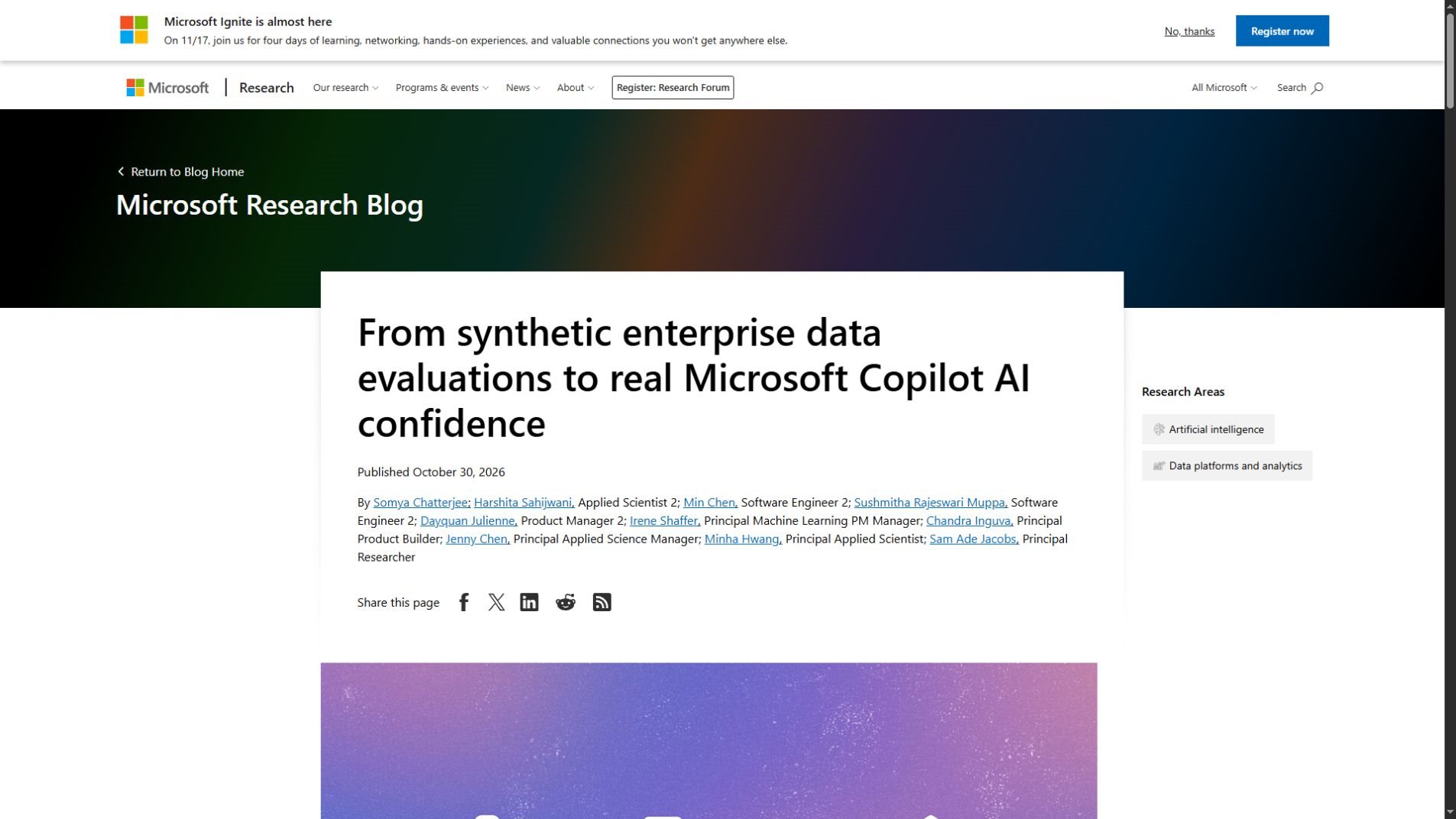
In its research article about synthetic enterprise evaluations, Microsoft describes generating fictional organizational structures, users, communications and documents to evaluate Copilot. The team says the pipeline uses no real customer data as inputs. Public industry signals help make the simulated workplaces more plausible.
The important distinction is the environment. Instead of asking isolated trivia questions, an evaluator can test whether an assistant connects information across a believable workplace. Microsoft also describes automated question generation and checks intended to improve dataset quality and repeatability.
That does not establish that every answer is correct or that synthetic testing replaces deployment checks. It shows a way to create controlled situations where the expected answer can be inspected. For a business evaluating an assistant, that is more useful than judging a polished demonstration alone.
Start with a failure you want to catch
Before creating documents, write down what would make an answer unacceptable. “Give a helpful response” is too broad. “Use the approved deadline, identify the responsible person, and flag the missing budget decision” is something a reviewer can actually check.
Choose a task people really perform: finding a policy, preparing a project brief, answering a support question, or summarizing a handover. Keep the initial scope small enough that someone can read every source and establish what a good answer must contain.
The practical goal: create a test where a fluent but unsupported answer fails. A confident tone should never compensate for using the wrong source.
This approach also clarifies the difference between testing and training. A fictional document collection can be supplied as reference material for an evaluation without being used to train the underlying model. Whether a service retains inputs or uses them for improvement depends on that service’s settings and terms.
Build a fictional project with an answer key
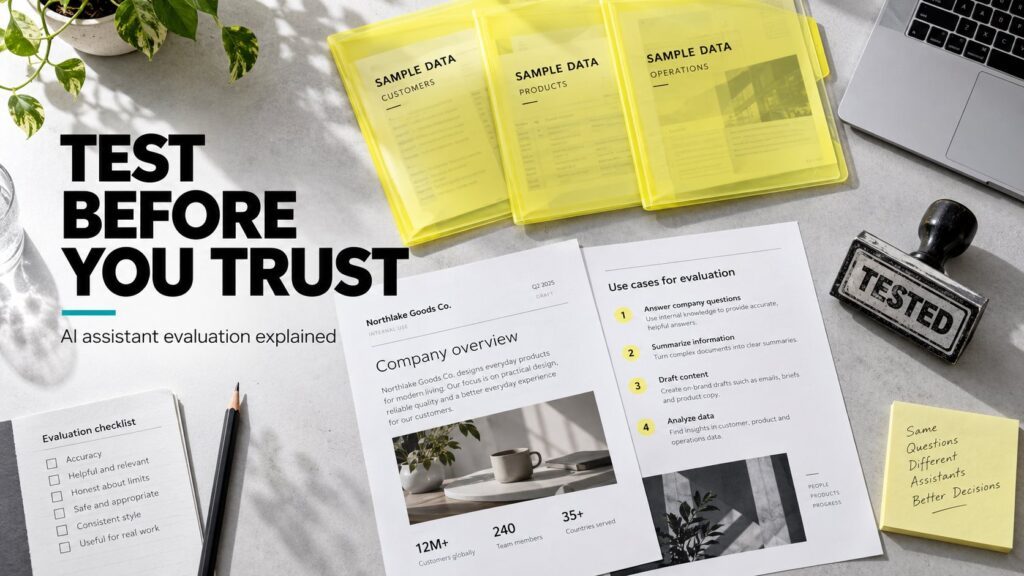
Imagine a small team preparing a customer workshop called Project Cedar. All names, dates, messages and documents below are invented. Create these files in a test workspace, using clearly fictional identities and no copied customer details.
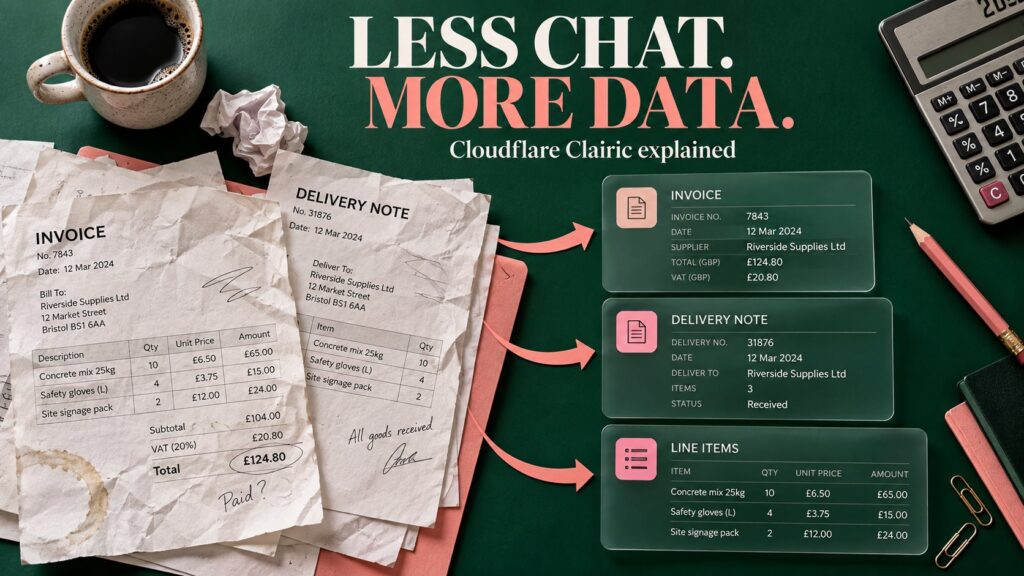
- Original plan, May 3: the workshop is scheduled for June 12. Morgan owns logistics.
- Approved update, May 17: the workshop moves to June 19. Morgan remains the logistics owner. This update explicitly supersedes the original date.
- Meeting notes, May 18: the venue deposit is still awaiting approval. No final budget total is recorded.
- Unrelated project: Project Birch has a June 12 event and a different owner, creating a plausible retrieval distraction.
Now ask: “Prepare a short status update for Project Cedar. Include the approved workshop date, logistics owner and any unresolved budget issue. Cite the documents you used.”
The answer key is straightforward: June 19; Morgan; venue deposit approval remains unresolved; no final budget total is available. A good answer should point to the approved update for the date and the meeting notes for the outstanding decision.
An assistant that confidently invents a budget fails. So does one that gives June 12 because it found the old plan first. An answer that lists both dates without explaining which one supersedes the other is incomplete, even if each date appears somewhere in the files.
Score the answer in separate parts
A single “looks good” rating can hide important differences. Separate whether the facts are correct, whether the evidence supports them, and whether the response covers the requested task.
| Check | What to inspect | Cedar example |
|---|---|---|
| Accuracy | Are the stated facts correct? | June 19 is the approved date. |
| Grounding | Do the cited sources support each claim? | The date comes from the approved update. |
| Completeness | Are all requested details covered? | Date, owner and unresolved deposit are included. |
| Uncertainty | Does the answer acknowledge missing evidence? | No final budget is invented. |
Record a short explanation for every failure. “Wrong date: used superseded plan” is actionable. “Bad answer” gives the next reviewer little information and makes comparisons unreliable.
For a first pass, mark each check as pass, partial or fail. Define those labels before reviewing several systems. Treat any fabricated material fact as a failure that needs attention rather than averaging it away with attractive formatting.
Change one detail, then run the test again
Once the basic case works, vary one condition at a time. Remove the approved update and see whether the assistant admits it can only find the original plan. Add a second project with a similar title. Change the wording of the question without changing its meaning.
These variations help distinguish a system that found the relevant evidence from one that happened to produce the expected sentence. Keep the original case unchanged as a reference so you can tell which modification caused a different result.
- Missing information: ask for a figure the documents never provide.
- Stale information: include an older source with a clearly superseded decision.
- Conflicting evidence: include two proposals without a final approval and expect the conflict to be stated.
- Retrieval distraction: place similar details in a different project’s files.
- Follow-up request: ask what still needs confirmation after the initial summary.
Reference access matters as much as prompt wording. Our context engineering guide explains why the information available to a model affects the result. In evaluation, log which documents and permissions were available for each run.
Where automation helps—and where review still matters
Generating many fictional cases can save repetitive authoring, but volume is not quality. A generated question may be ambiguous, have no valid answer, or accidentally contain the answer in its wording. A generated answer key may repeat the same mistake as the assistant being tested.
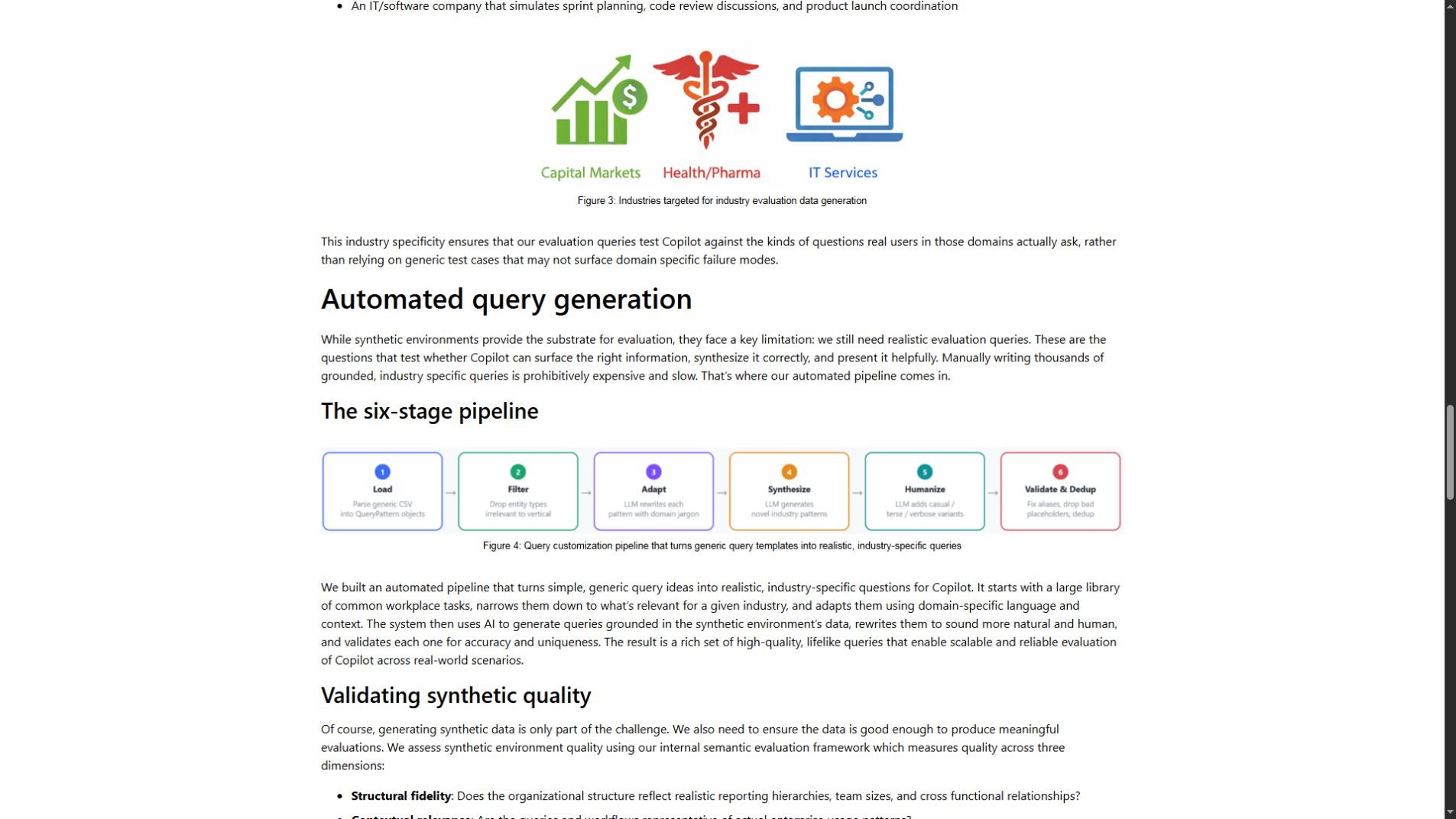
Microsoft’s published workflow is a useful reference for thinking about generation and validation as separate stages. For your own small evaluation, have a person verify the source documents and answer key before relying on automatic scoring. Review a sample of passing answers as well as failures.
If you use another model as a grader, give it explicit criteria and compare its judgments with human reviews. Do not assume that agreement between two AI outputs establishes truth. The source material and the task requirements remain the reference.
Keep a compact record of the date, assistant version when available, prompt, document set, settings, response and score. Rerun the same cases after changes to instructions, retrieval, integrations or the model. Otherwise, an improvement in one demonstration may hide a regression elsewhere.
Synthetic data has practical limits
Invented workplaces are useful because you control the facts. That control can also make them unrealistically tidy. Real files contain confusing names, broken formatting, informal language, attachments and decisions that were never written down clearly.
Build some of that messiness deliberately, but do not confuse a realistic-looking dataset with proof of real-world performance. Synthetic tests should inform a staged rollout, alongside authorized operational checks, user feedback and a way to report mistakes.
Privacy also requires care. Replacing names in a real confidential document does not automatically make it safe synthetic data. Create fictional material independently, review it for accidental personal or sensitive details, and keep it separate from production records.
Finally, distinguish answering from acting. A useful summary does not demonstrate that an agent can safely send messages, change files or approve a workflow. Tools that take actions need separate tests for permissions, confirmation, recovery and unintended side effects. Our guide to AI overreliance covers why human judgment still matters when output sounds persuasive.
Questions before your first evaluation
Do I need hundreds of test cases?
No. Start with a small set that represents important tasks and has reliable answer keys. Expand when you understand the failures you need to detect. A large collection of unverified questions can create false confidence.
Can synthetic data guarantee privacy?
No blanket guarantee follows from the label. Independently invented, reviewed material reduces the need to expose actual records, but the generation process, source inputs, storage and access controls still matter.
Is this a benchmark of Microsoft Copilot?
No. This article explains a research announcement and provides an original fictional evaluation example. It does not report a comparative benchmark or first-hand product testing.
What should I do with a failed test?
Save the response and supporting evidence, identify the failure type, and adjust the relevant part of the system. Then repeat both the failed case and the unchanged reference cases. Do not simply rewrite the question until the assistant passes.
A useful first step this week
Choose one everyday task, create four fictional documents and write the answer key before asking the assistant anything. Include one old decision and one missing fact. Review whether the response uses current evidence and acknowledges what it cannot know.
That small exercise will not certify an AI system. It will give you something a polished demo cannot: a repeatable way to discover a specific mistake and check whether a change actually fixes it.