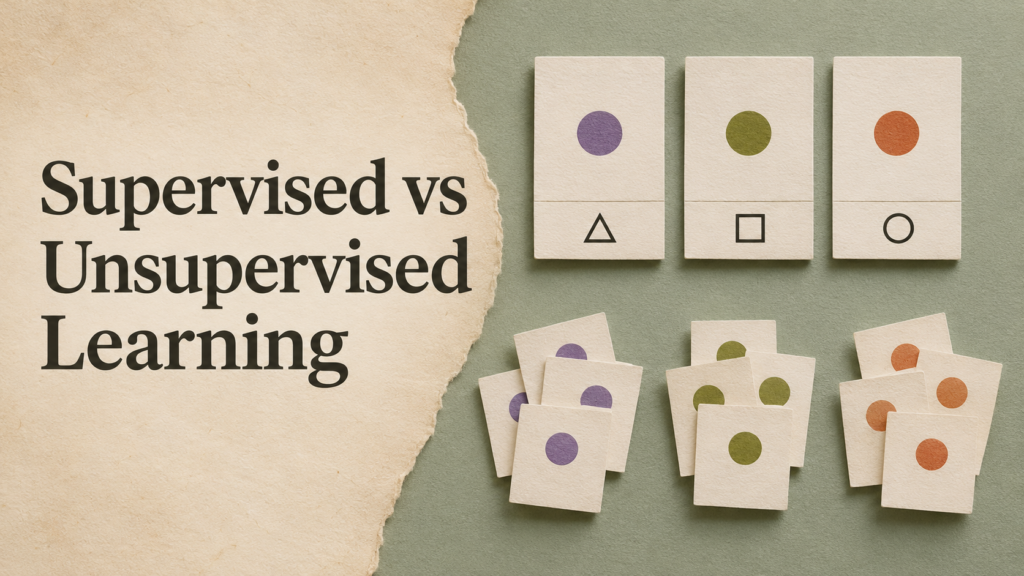
Supervised learning uses examples with known outcomes to learn how to predict an outcome for a new example. Unsupervised learning looks for structure in data without a supplied target. A bike-share operator can use both methods on the same trip records. The right choice depends on the question.
To estimate how long an upcoming ride will take, you can learn from past rides with recorded durations. To explore which rides tend to resemble each other, you can group them by shared characteristics. In the first case, a duration is the answer you want to predict. In the second, the groups are something you discover.
The difference at a glance
| Question | Supervised learning | Unsupervised learning |
|---|---|---|
| What goes into training? | Features and a target for each labeled example. | Features, with no supplied target for the task. |
| What comes out? | A prediction, such as a category or a number. | A description of structure, such as clusters or a smaller set of features. |
| How do you check the result? | Compare predictions with known outcomes on data held out from training. | Check whether the patterns are stable, interpretable, and useful for the task. |
A feature is a piece of information the model can use, such as departure hour. A label or target is the outcome you want it to learn to predict. A column can be a feature in one project and the target in another. Its role depends on the question and on when the information becomes available.
Supervised learning predicts trip duration
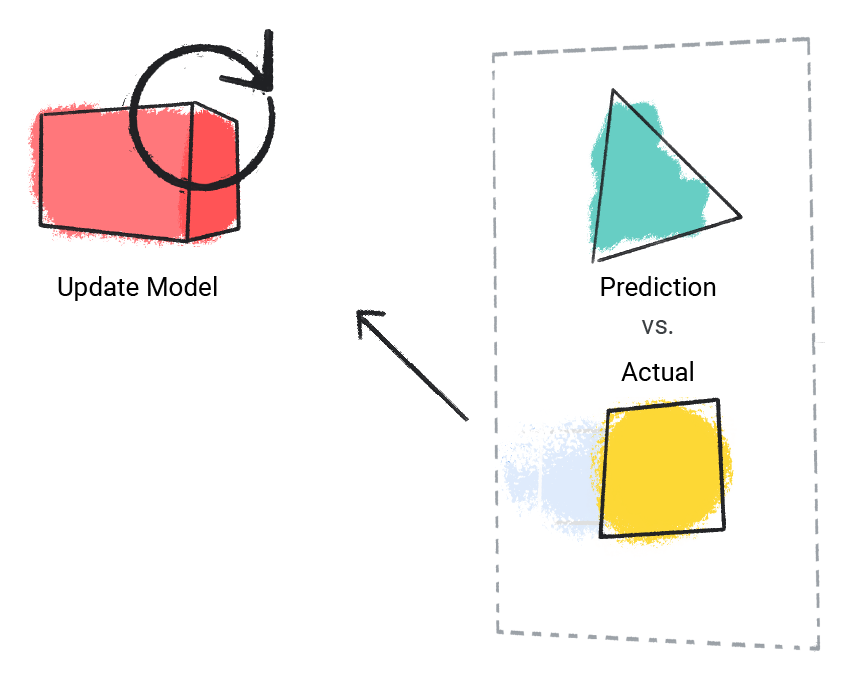
Suppose a trip record includes departure hour, day of week, the start station, a destination entered before departure, and the duration measured after arrival. Use the first four fields as inputs. Use duration as the target. Training compares a model’s predictions with the observed durations and adjusts the model to improve its estimates. Google’s introduction to supervised learning.
Predicting a number, such as 22 minutes, is regression. Predicting a category, such as whether a ride will last more than 30 minutes, is classification. That second task can use a label derived from the same historical duration column.
Keep some recent rides apart from training if you want to estimate performance on future trips. Compare the model with a simple baseline, such as predicting the median duration for completed rides. If the model barely improves on that estimate, check the features and data before adding complexity.
Use only information you would know when making the prediction. The actual arrival time would make training scores look good because it nearly gives away the duration. If riders choose a destination only after departure, leave that field out of a prediction made at the start.
Unsupervised learning explores ride patterns
Now ask which trips look alike. Give a clustering algorithm information you already know about completed rides, such as route distance and actual duration. The algorithm groups trips according to a chosen measure of similarity. You might find a group of short rides and another with longer routes, but the names you give those groups are interpretations.
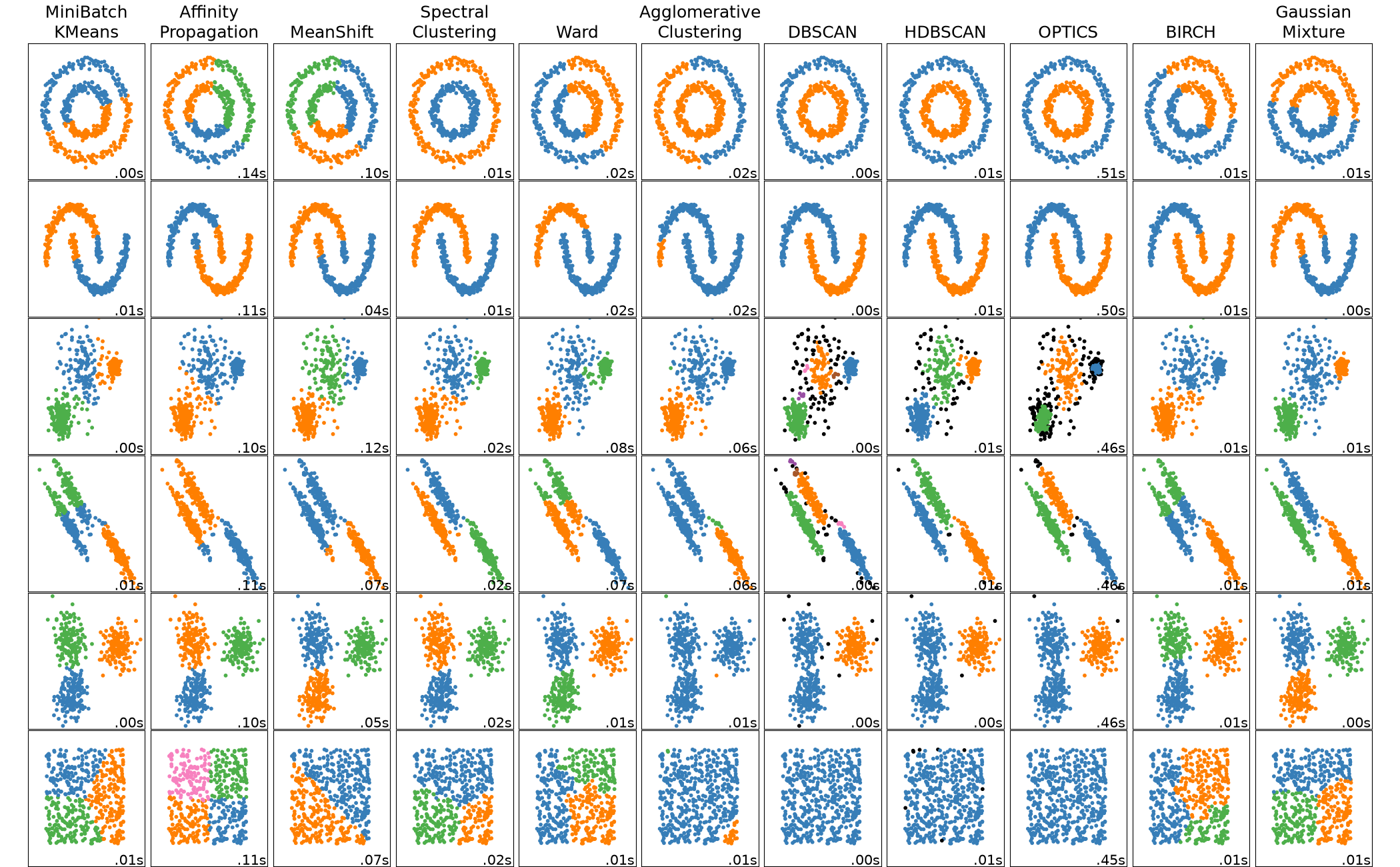
The feature scales can change what the groups mean. Measuring distance in meters gives it much larger numerical values than measuring it in kilometers. With a distance-based algorithm, scale the features deliberately so one field doesn’t dominate just because of its units. If departure time matters, handle the fact that 11:55 p.m. and 12:05 a.m. are only ten minutes apart.
Try several reasonable settings and compare the groups. Look at a sample of rides near each group’s center and near its boundary. Ask what decision the grouping helps you make. A cluster that changes dramatically after a small change in inputs deserves closer inspection. scikit-learn’s clustering guide.
How to choose when your dataset is incomplete
If you know the outcome you want to predict and can collect trustworthy examples, start with supervised learning. Define exactly when a label becomes available and how you will measure success. If duration matters but older records have missing end times, investigate which rides are missing before assuming the labeled subset represents all trips.
If you’re exploring the data and have no target, start with a question the patterns can help answer. For example, you could examine whether rides group into a few repeatable types before deciding what to measure next. A column named “cluster” records the model’s assignment. The assignment still needs interpretation.
Some workflows use both methods. You can explore ride patterns first, have a person check whether those patterns correspond to categories that matter, and train a classifier once you have reliable labels. If only a subset is labeled, semi-supervised methods can combine labeled and unlabeled data under suitable assumptions. Google Cloud’s comparison of the two approaches.
Common questions
Can the same dataset support both methods?
Yes. Use recorded duration as a target when predicting ride time. For exploratory clustering, use it as a feature if it helps describe completed trips and fits the task.
Does unsupervised learning mean there is no evaluation?
You still evaluate the output. Check whether clusters recur across reasonable samples or settings, inspect examples in the groups, and see whether the patterns help answer the original question.
How is reinforcement learning different?
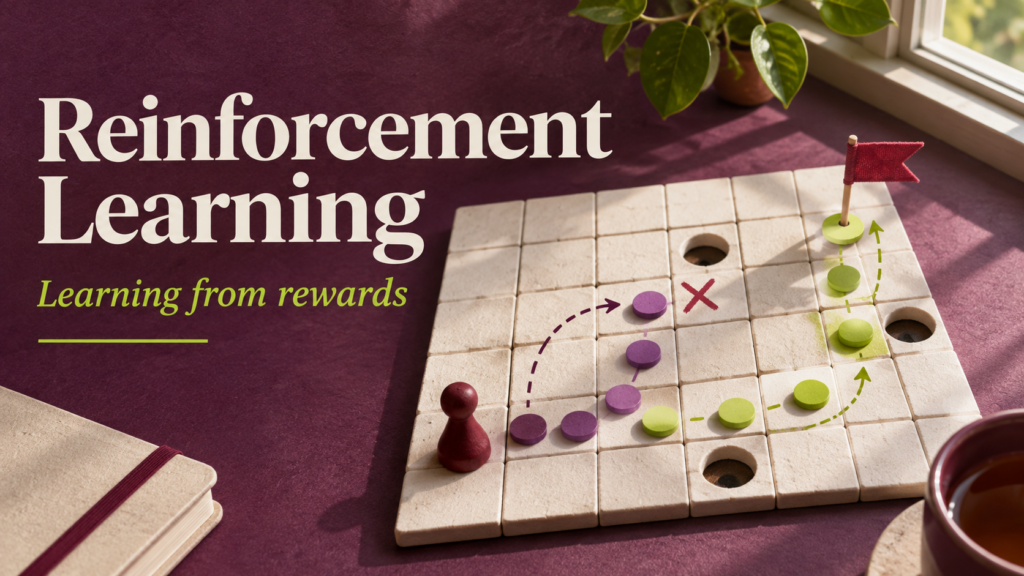
Reinforcement learning trains an agent using rewards from the consequences of its actions. It addresses decisions over time. For an introduction to the broader AI concepts, see Unlimited AI’s guide for students.